
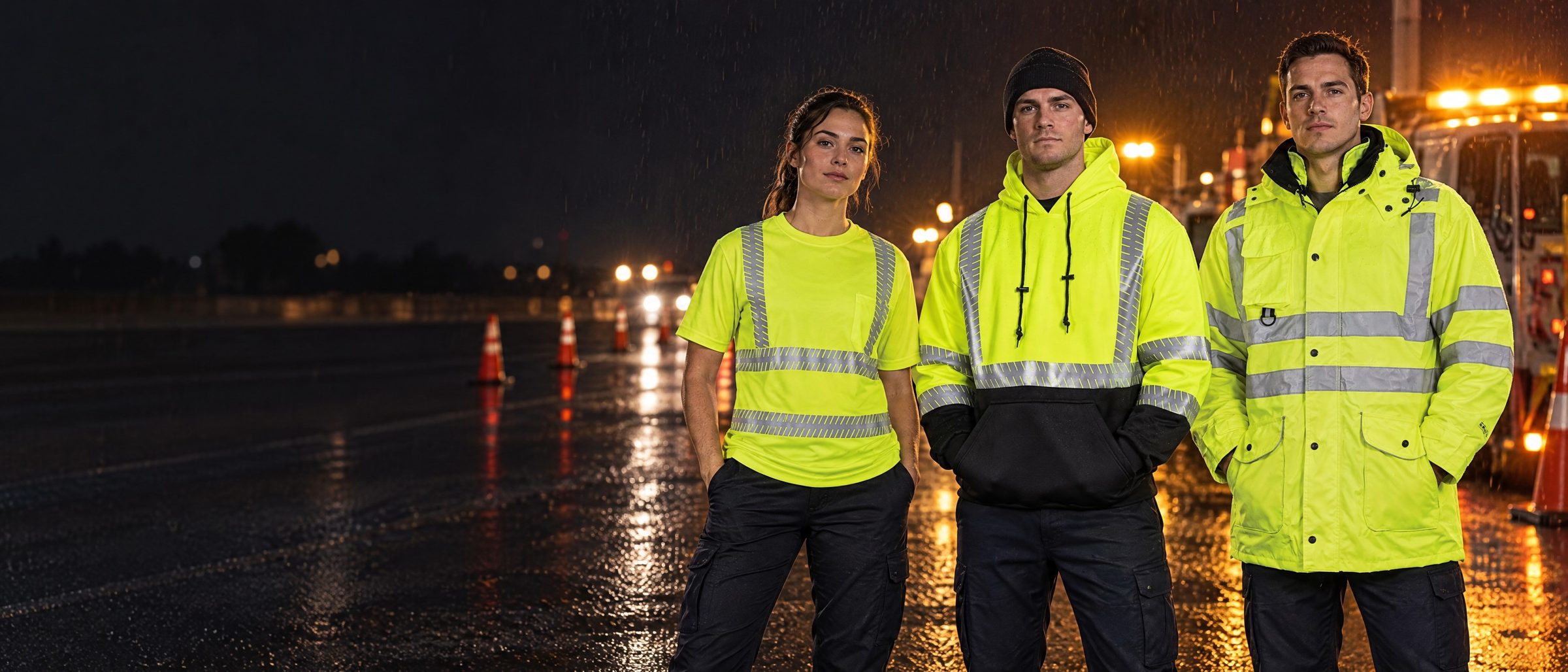
Which hi-vis class do you need?
Class 1, 2, 3 and E, explained in the numbers the standard uses: how much fluorescent fabric, how much reflective tape, and how much of the body it covers. Then the GAD jackets, vests and tees that meet each one.
What's your job?
Pick your work. We'll show the class it calls for, why, and three GAD garments that meet it.
Type P vest, Class 2 minimum.
At a crash or roadside call, wear a public-safety vest over your gear. Breakaway points let it tear free if it snags. Near fire, heat or hazmat, reflective turnout gear takes the vest's place.
- Breakaway vests clear the SCBA and radio.
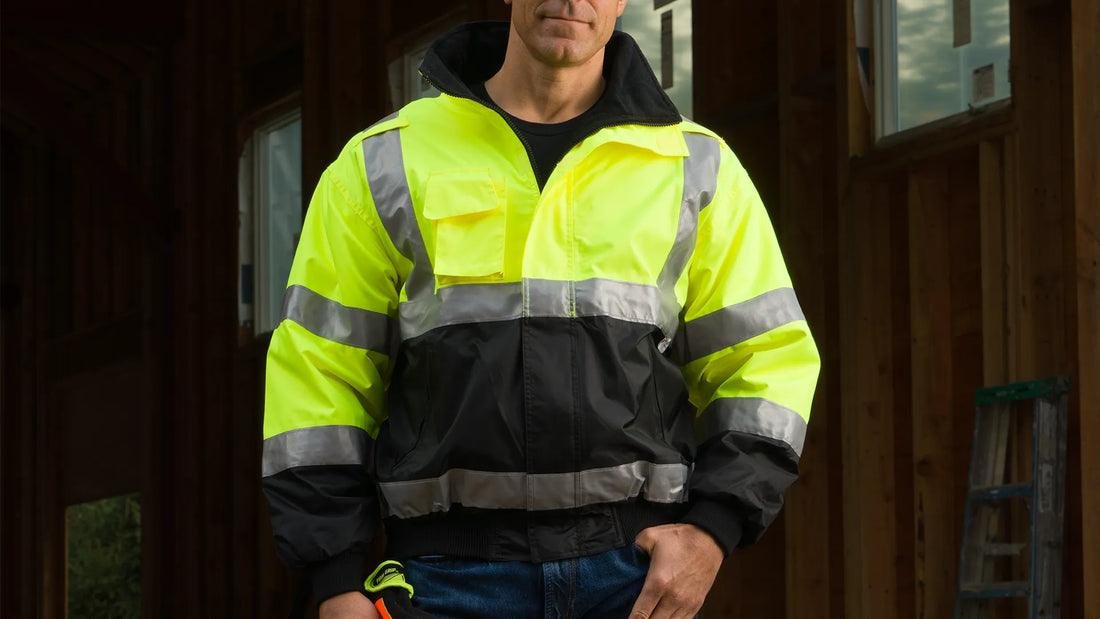
- Class 3 jacket for long night scenes.
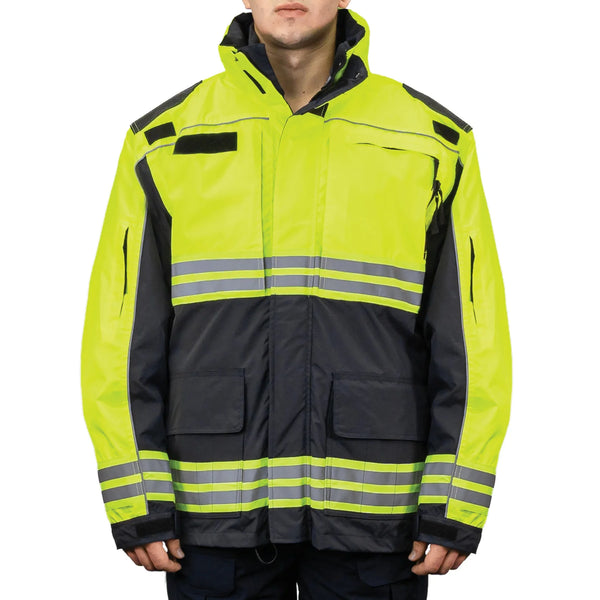
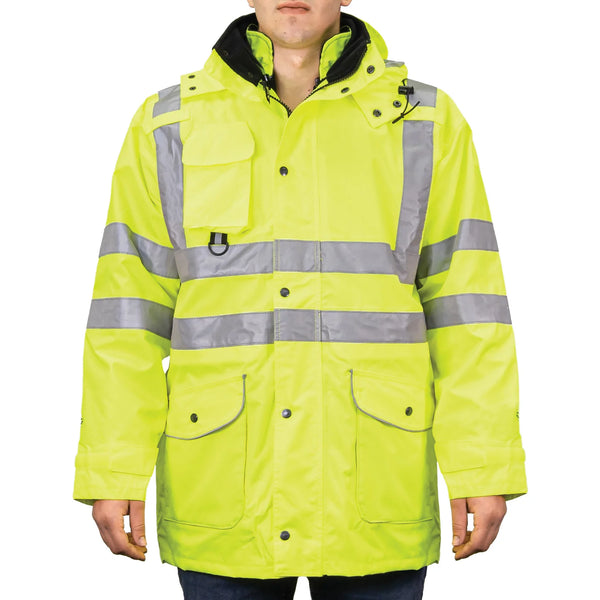
Class 2 minimum. Class 3 at night.
Roadside patients mean live traffic behind you. A Class 2 jacket or vest is the floor; add Class E pants or wear Class 3 after dark.
- Class 2 top + Class E pants = a Class 3 outfit.
- Keep tape clear of patches.
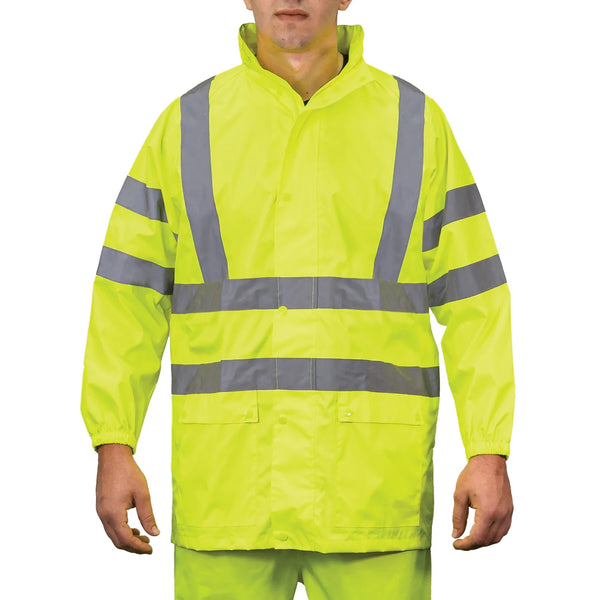
Type P public-safety vest.
Cut shorter to clear the duty belt and radio, with five breakaway points. For a long traffic post at night, step up to Class 3.
- Type P Class 2: 450 in² background, 201 in² tape.
- Class 3 breakaway vest for traffic control.
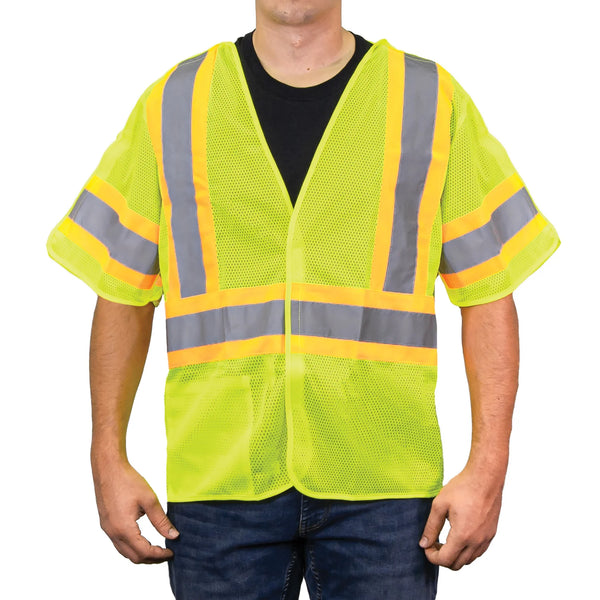
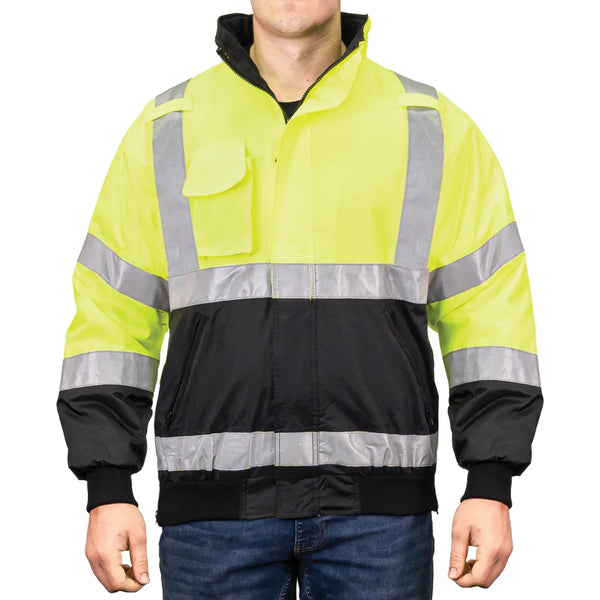
Class 2 minimum. Class 3 at night.
Road and street crews work next to live traffic, so the rule starts at Class 2. Move to Class 3 when traffic runs above 50 mph, after dark or in bad weather.
- Class 3 needs sleeves: a jacket, or a vest with Class E pants.
- Keep logos off the reflective tape.
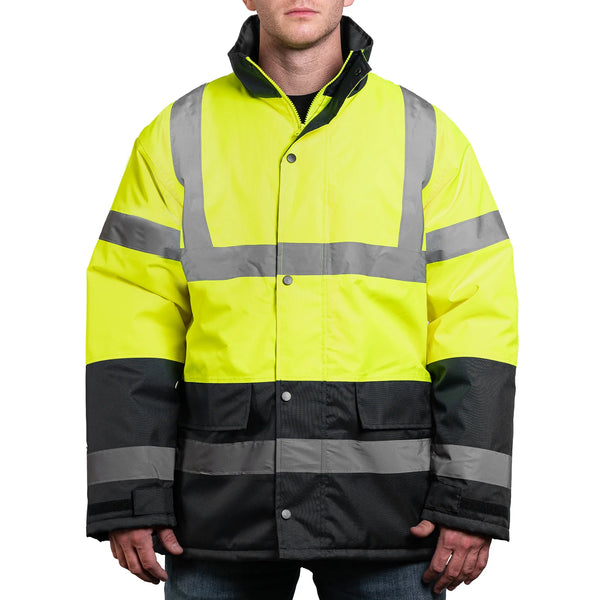
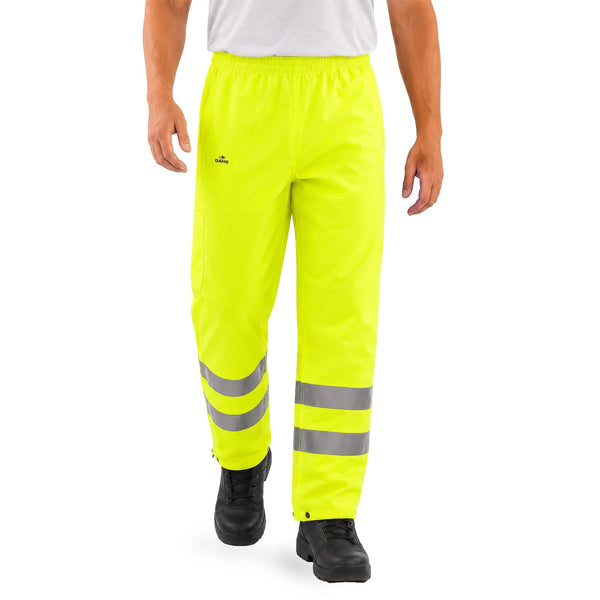
Class 2 minimum. Class 3 near fast traffic.
Line and meter work puts you beside the road. Class 2 covers daytime work; Class 3 above 50 mph, at night or in storms.
- Systems jackets cover three seasons.
- The reversible 1765 for off-road days.
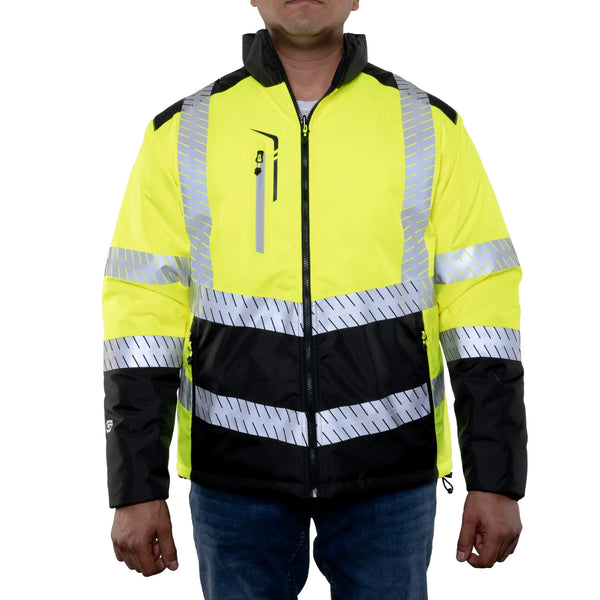
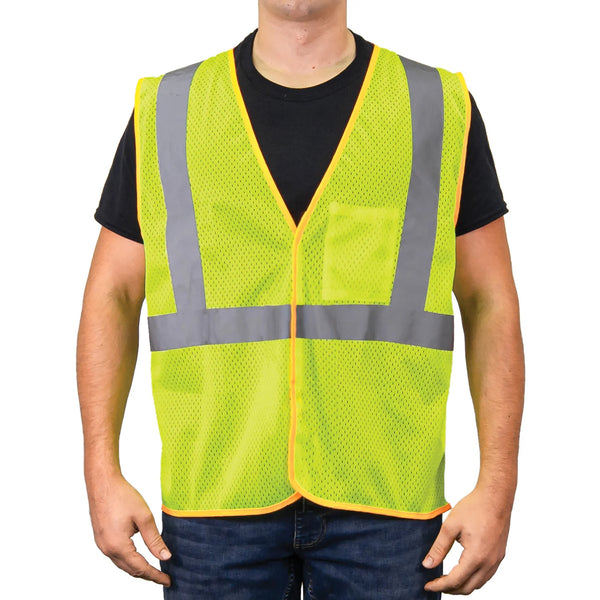
Class 2 minimum. Class 3 for flaggers.
Any work zone on a public road starts at Class 2. Flaggers and night crews wear Class 3.
- A Class 2 vest over a Class 3 jacket is still Class 3.
- Rain gear rated Class 3 and E.
Class 3.
Hooking up on a shoulder at night is the textbook Class 3 job: fast traffic, low light, attention on the vehicle.
- Class E rain pants complete the outfit.
- 6-in-1 systems for winter calls.
Class 2 for most posts.
Away from public roads, Class 1 would do, but GAD carries Class 2 and up. Directing traffic at an entrance? Wear Class 3.
- Class 2 mesh vests are the lightest option.
- Class 3 jacket for night gate posts.
More fabric. More tape. More of the body.
Every class is the same idea taken further. Scroll: the same figure climbs from Class 1 to Class 3, then adds Class E pants.
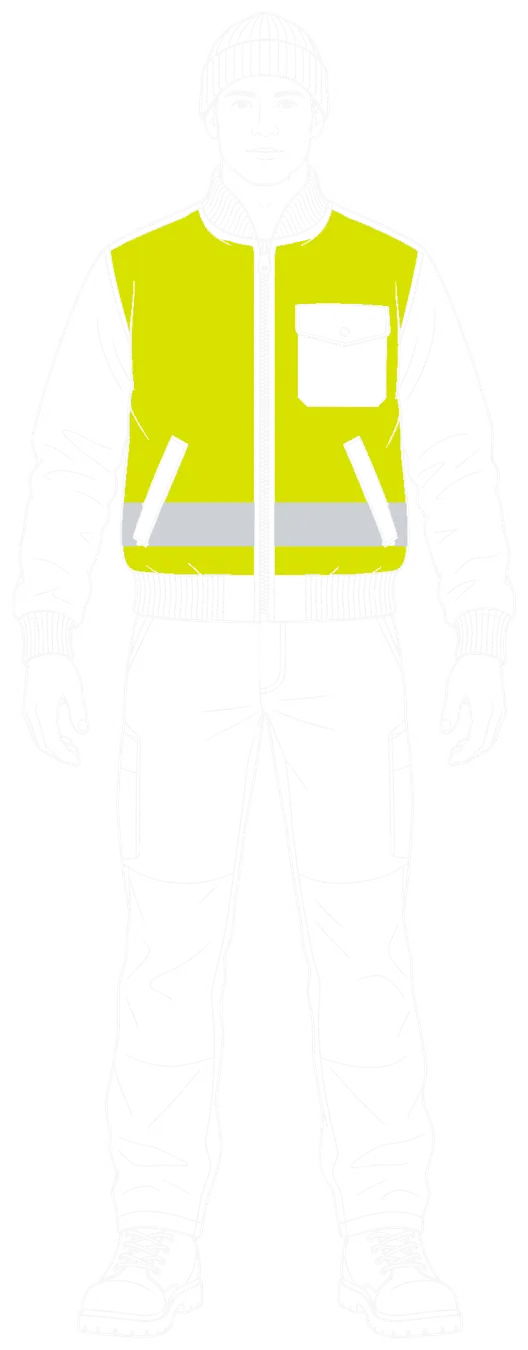
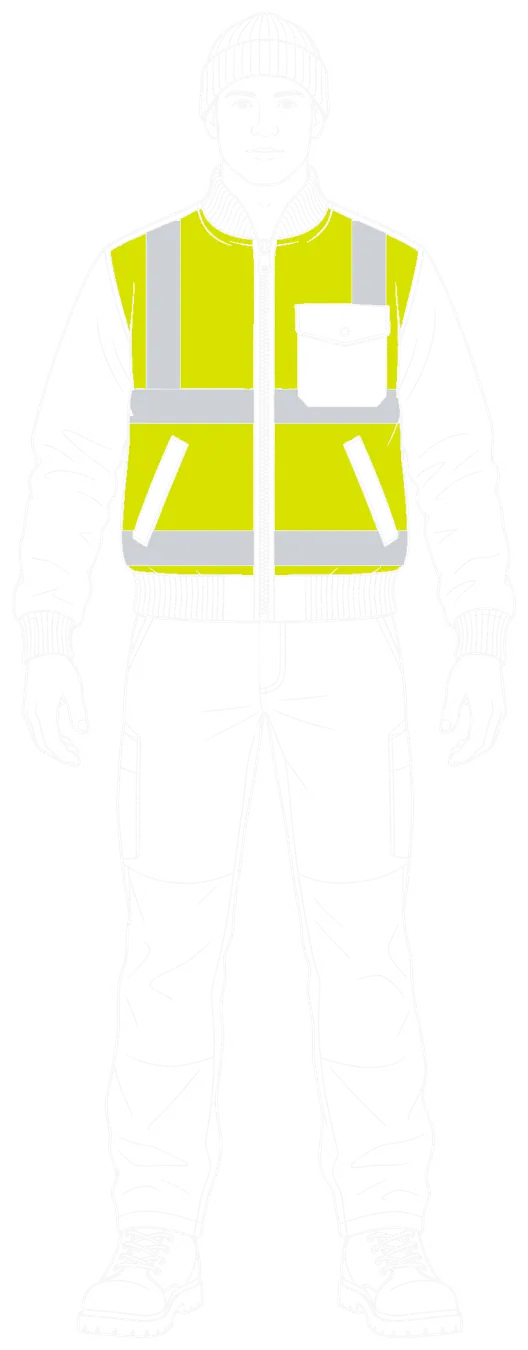
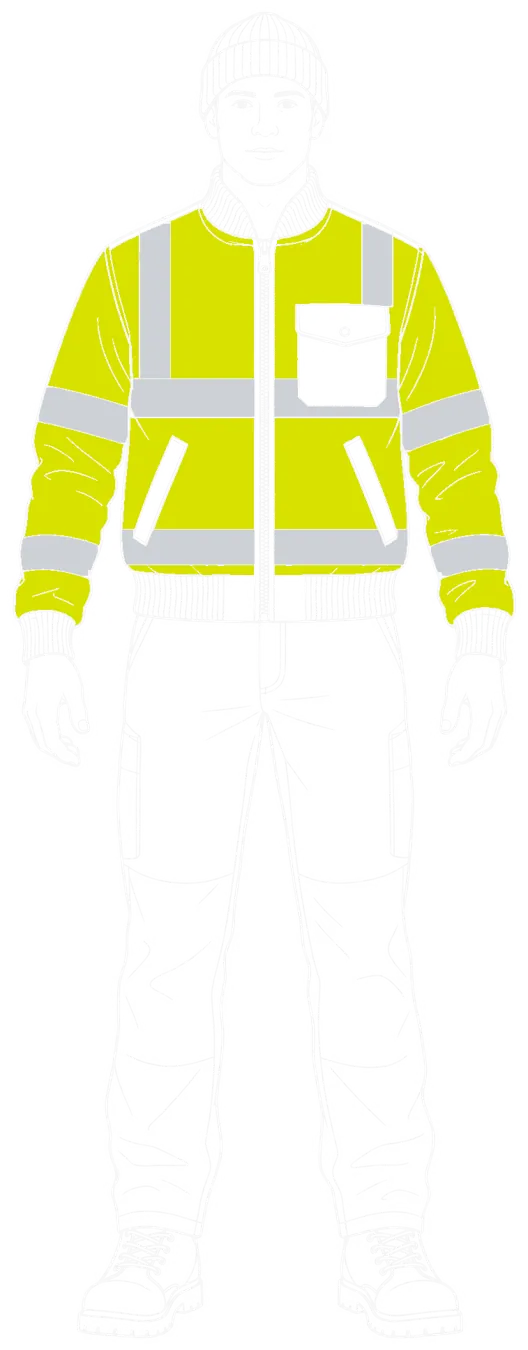
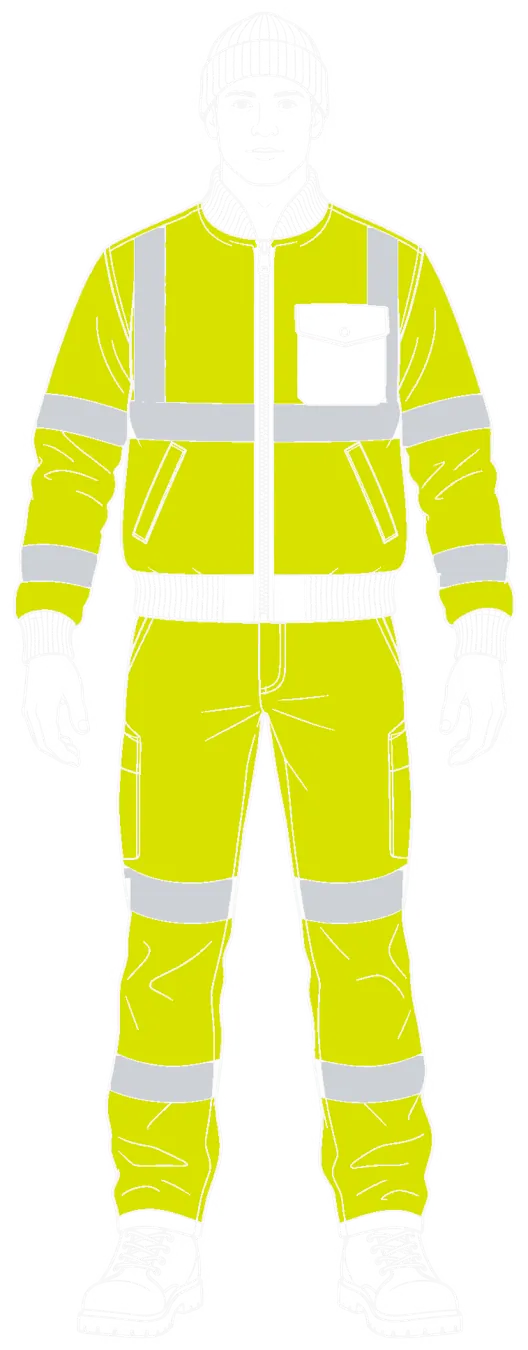
Class 1
Type O · Off-roadAway from public traffic.
Yards, warehouses, parking and plant floors, where struck-by risk comes from carts and forklifts, not cars. GAD doesn't carry Class 1 garments; Class 2 covers these jobs too.
Class 2
Type R · P · RoadwayThe minimum on a public road.
For work next to traffic, in bad weather, or where your attention is on the job and not on the cars. A vest or jacket with tape over the shoulders and round the torso.
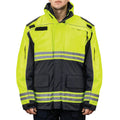

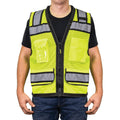
Class 3
Type R · P · RoadwaySleeves, more tape, the most coverage.
For traffic above 50 mph, night work and bad weather. Tape has to run round the sleeves or legs, so a sleeveless vest on its own is never Class 3.
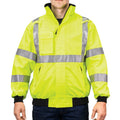

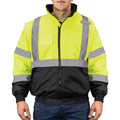
Class E
Pants · shorts · gaitersNever worn alone.
Class E pants with a Class 2 or Class 3 top make the whole outfit Class 3. The pants carry their own minimums.
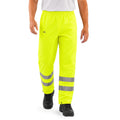
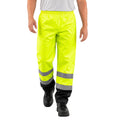
Fabric by day. Tape by night.
Drag the handle. Fluorescent fabric makes you visible in daylight; retroreflective tape sends headlights back to the driver after dark. A class rating measures both.
 Day
Night
Day
Night
Where you work sets the type.
Type OOff-road
Struck-by risk from carts and equipment, no public traffic.
Class 1 onlyType RRoadway
Traffic on a public road or in a work zone. Most GAD hi-vis is Type R.
Class 2 or 3Type PPublic safety
Police, fire and EMS: roadway exposure plus belts, radios and turnout gear.
Class 2 or 3Every number on one screen.
Minimums from ANSI/ISEA 107-2020, Table 1. Style counts update from the catalogue.
| Class | Background | Reflective | Tape width | At GAD |
|---|---|---|---|---|
| Class 1Type O | 217 in²0.14 m² | 155 in²0.10 m² | 1 in25 mm | — |
| Class 2Type R · P | 775 in²0.50 m² | 201 in²0.13 m² | 1⅜ in35 mm | 12 styles |
| Class 3Type R · P | 1,240 in²0.80 m² | 310 in²0.20 m² | 2 in50 mm | 21 styles |
| Class EPants, shorts | 465 in²0.30 m² | 109 in²0.07 m² | 2 in50 mm | 2 styles |
| Public-safety vestType P · Class 2 | 450 in²0.29 m² | 201 in²0.13 m² | 2 in50 mm | I-684 |
Background and reflective areas are for the whole garment; the smallest size offered may carry a lower background minimum.
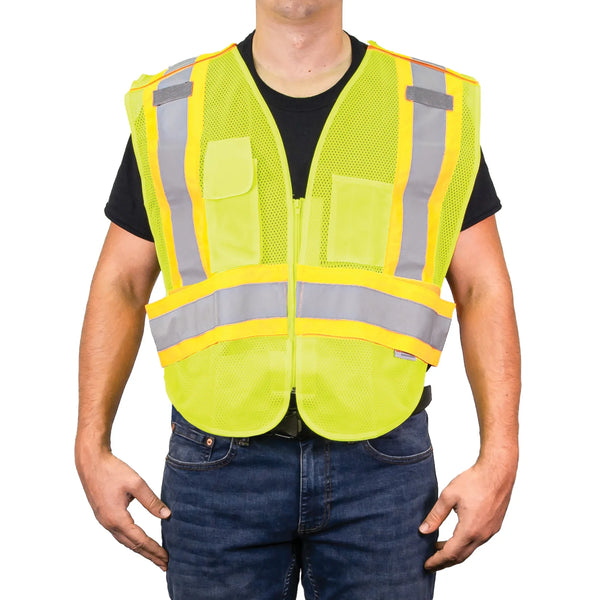
Built for the belt, not the barricade.
Cut shorter to clear a duty belt and radio, with five breakaway points so it tears free if it snags. Still meets the Type P Class 2 minimums: 450 in² background, 201 in² tape.
Rated for the roadside.
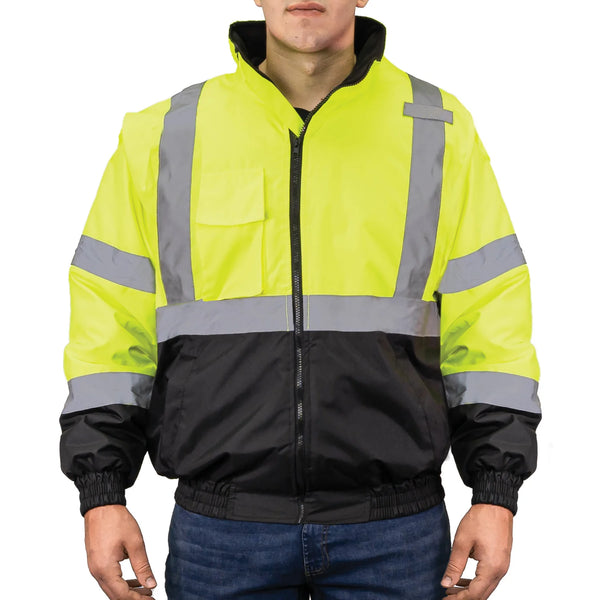
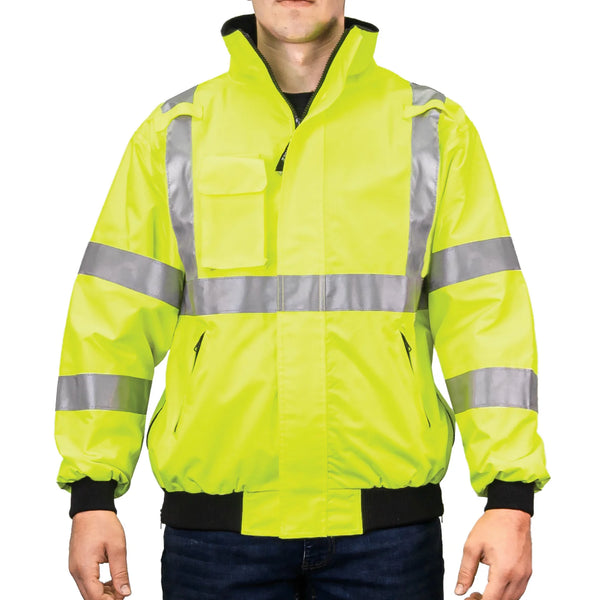
Your logo, off the tape.
A department name or logo of any size is fine as long as the reflective bands stay continuous. Every hi-vis product page shows where it fits.
Logos of any size
Print above, below or between the bands. Never across them.
72 in² contrast
Up to 72 in² of non-fluorescent material, such as a dark logo panel, per garment.
Done in-house
Embroidery, heat transfer and screen print, placed from the drawing on each product page.
What people ask.
Is a vest enough for Class 3?
No. Class 3 needs tape round the sleeves or the legs. Wear a Class 3 jacket, or a Class 2 vest with Class E pants.
Does a logo void the rating?
A logo of any size is fine as long as the reflective bands stay continuous. Print above, below or between the tape, never across it.
Class 2 or Class 3 for night work?
Class 3 is recommended for night work and for traffic above 50 mph. Your employer, agency or state DOT may set its own rule.
What does Type P mean?
Public safety. Vests and jackets for police, fire and EMS that meet Class 2 or 3 with a shorter cut and breakaway points.
Outfit the whole crew.
Bulk pricing, your logo placed off the tape, and a private web store where each member orders their own size.